hanfu
through the
dynasties
Work
Discover / Define
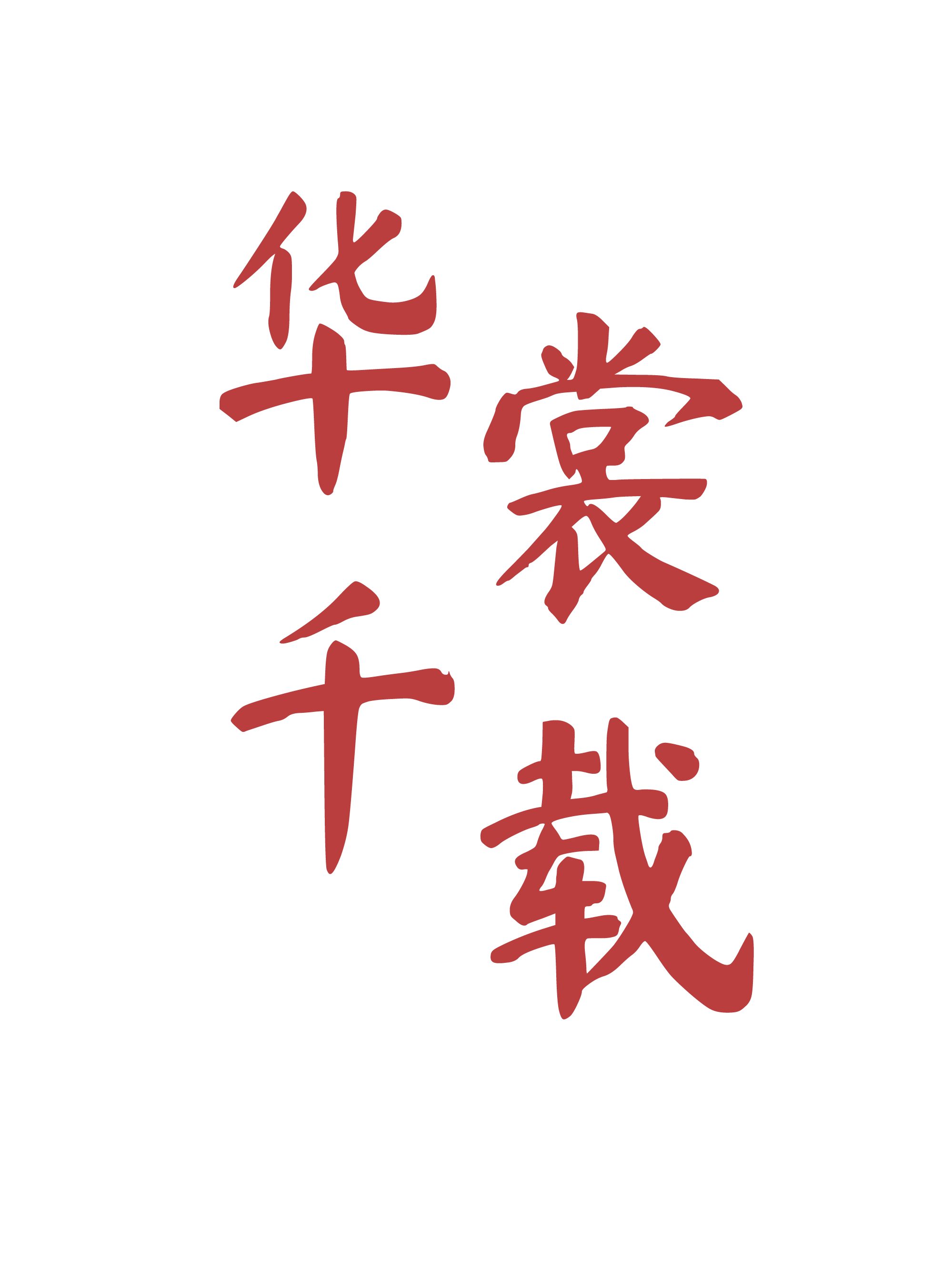
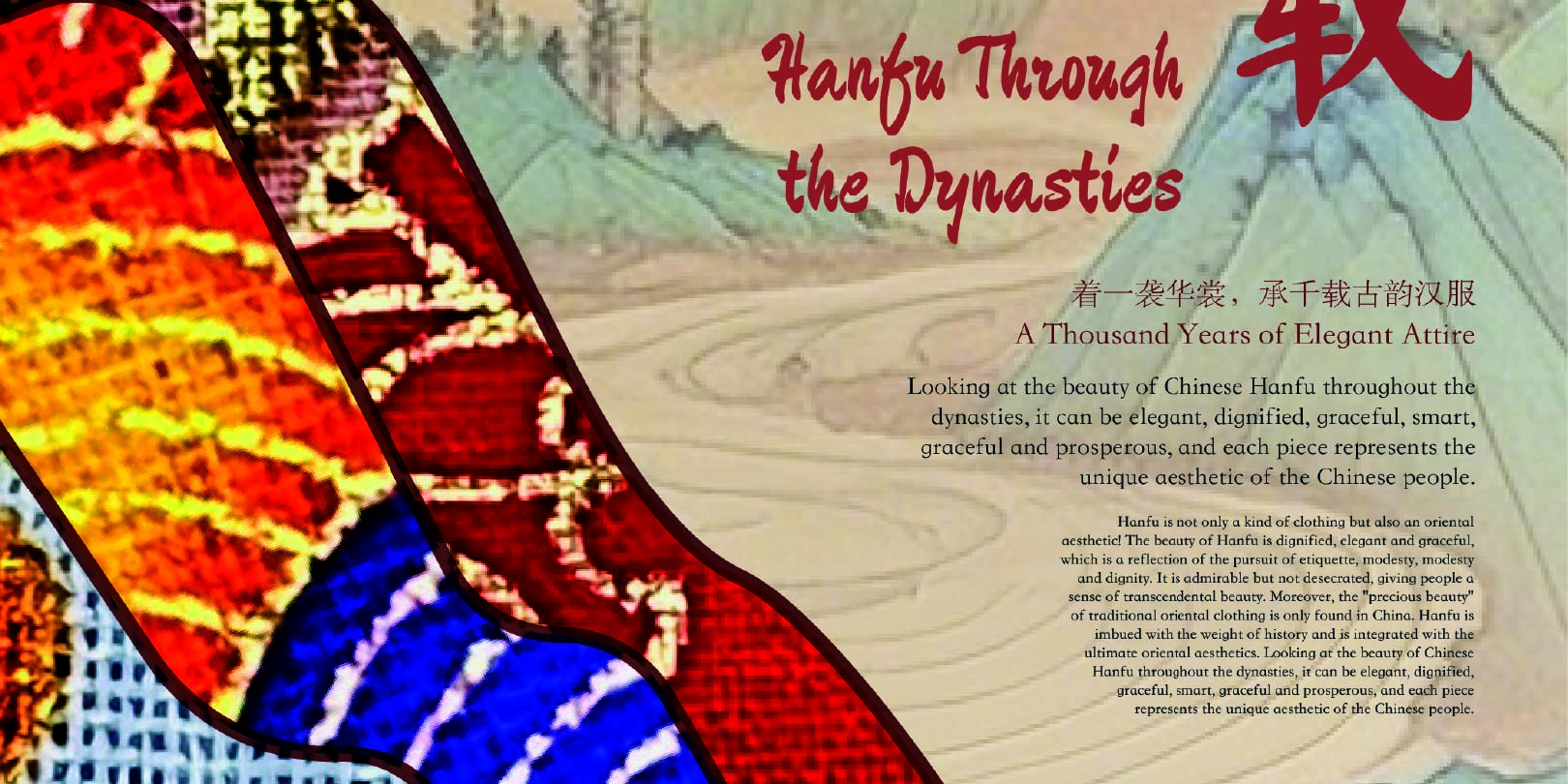
着一袭华裳,承千载古韵汉服
“A Thousand Years of Elegant Attire”
Hanfu is not only a kind of clothing but also an oriental aesthetic! The beauty of Hanfu is elegant and graceful, which is a reflection of the pursuit of etiquette, modesty, modesty and dignity. It is admirable but not desecrated, giving people a sense of transcendental beauty. Moreover, the "precious beauty" of traditional oriental clothing is only found in China. Hanfu is imbued with the weight of history and is integrated with the ultimate oriental aesthetics.
Identity / Deliver
Design Mission:
今人不见古时月,今月曾经照古人。
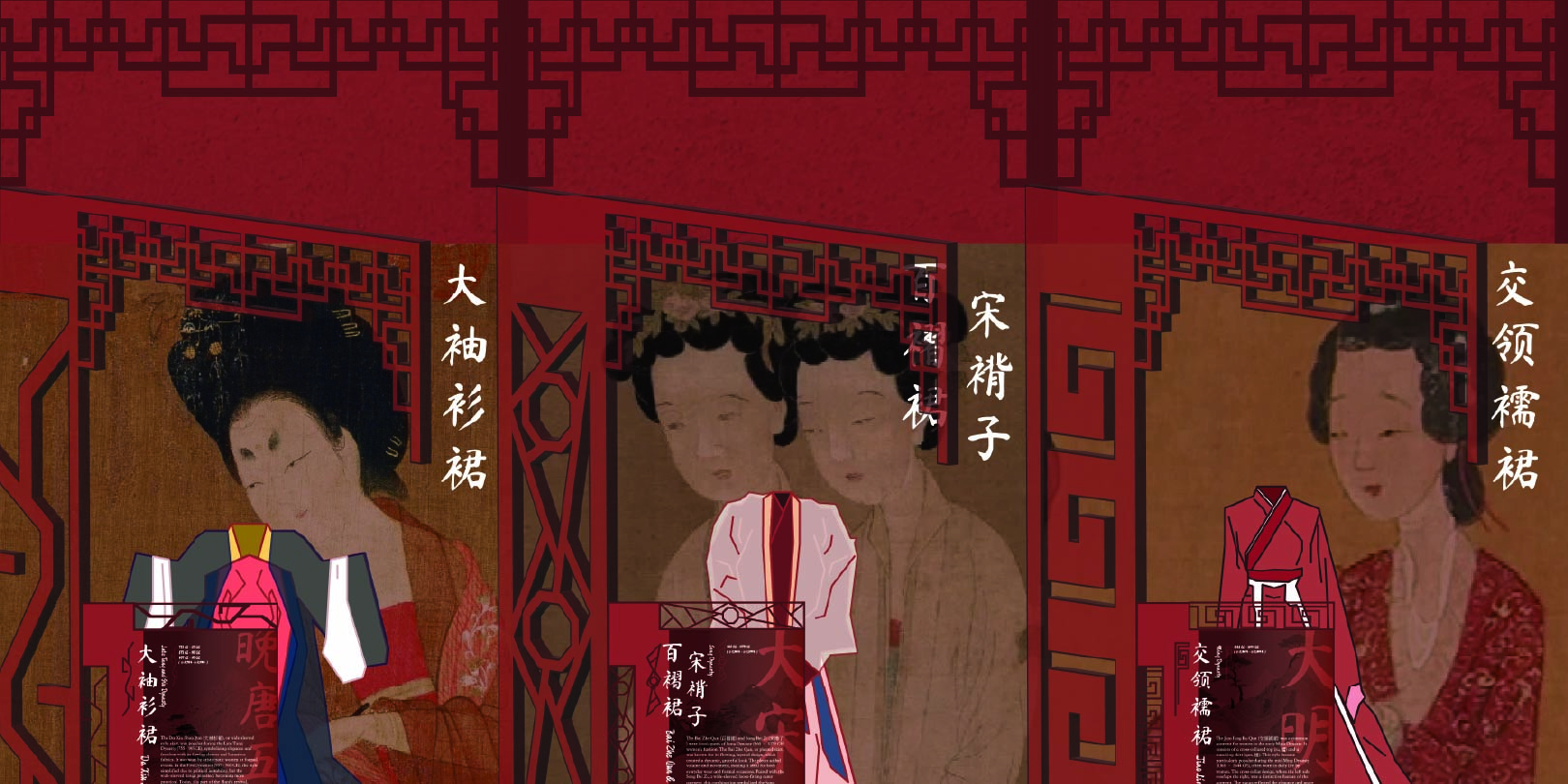
The Hanfu Exhibition showcases traditional Chinese clothing from the Qin and Han periods to the Ming Dynasty, highlighting how styles, materials, and aesthetics evolved over time. It includes key garments such as 深衣 (Shenyi), 曲裾袍 (Quju Pao), 交窬裙 (Jiaoyu Qun), 齐胸襦裙 (Qi Xiong Ruqun) and more. The exhibition aims to educate visitors about Hanfu history, preserve cultural heritage, inspire modern design, and encourage cultural understanding. Through interactive displays, workshops, and digital media, visitors can experience Hanfu up close and explore its lasting cultural meaning.
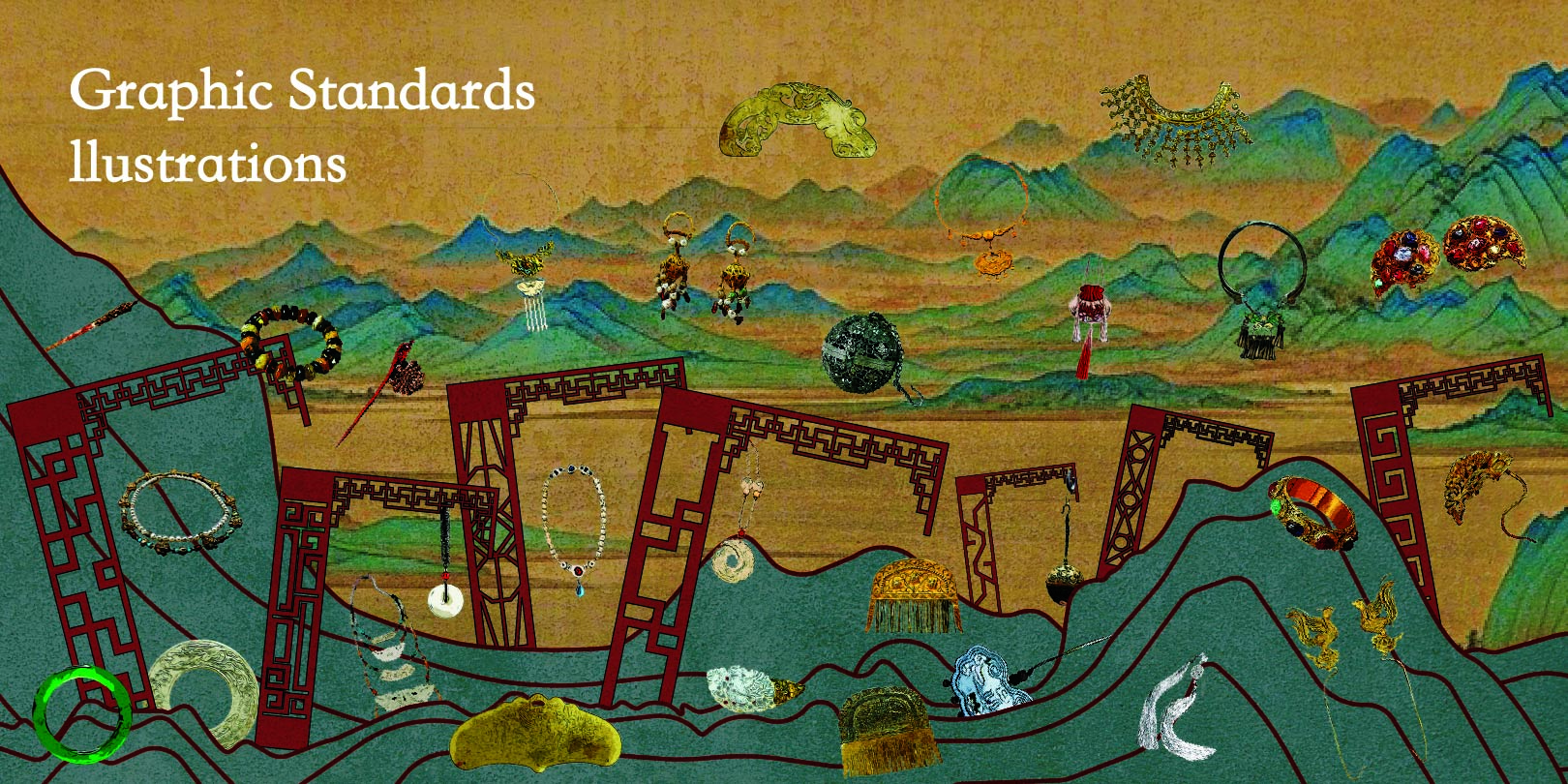
The space is designed as a long corridor guiding visitors through time. Hanfu garments are displayed on the left, while historical scrolls on the right provide context. A large interactive silk installation shaped like mountains allows visitors to explore interactive materials along the timeline. Red pillars divide sections of Hanfu evolution, with ancient paintings and information panels helping connect clothing, history, and art into one immersive experience.
Design Process
Typography
Ma Shan Zheng Regular(马善政毛笔楷书):
Chinese and English Header and Decorative Fonts.
Ma Shan Zheng Regular is a Chinese brush-style typeface inspired by traditional calligraphy. It has clean strokes, a balanced structure, and an elegant flow. In the exhibition, it is paired with Hanfu to show shared values like craftsmanship, harmony, and beauty. Just as Hanfu shows artistry in clothing, this typeface shows artistry in brushwork, helping viewers connect with traditional Chinese culture.
STSong (华文宋体):
Chinese and English Body Fonts.
STSong is a modern Chinese typeface based on traditional Song-style fonts from the Song Dynasty. It has elegant, balanced strokes and a classic look. For a Hanfu exhibition, it works well because it reflects historical Chinese aesthetics and matches the timeless style of traditional clothing. It’s also easy to read, making it great for captions and descriptions while keeping a clear and authentic visual tone.
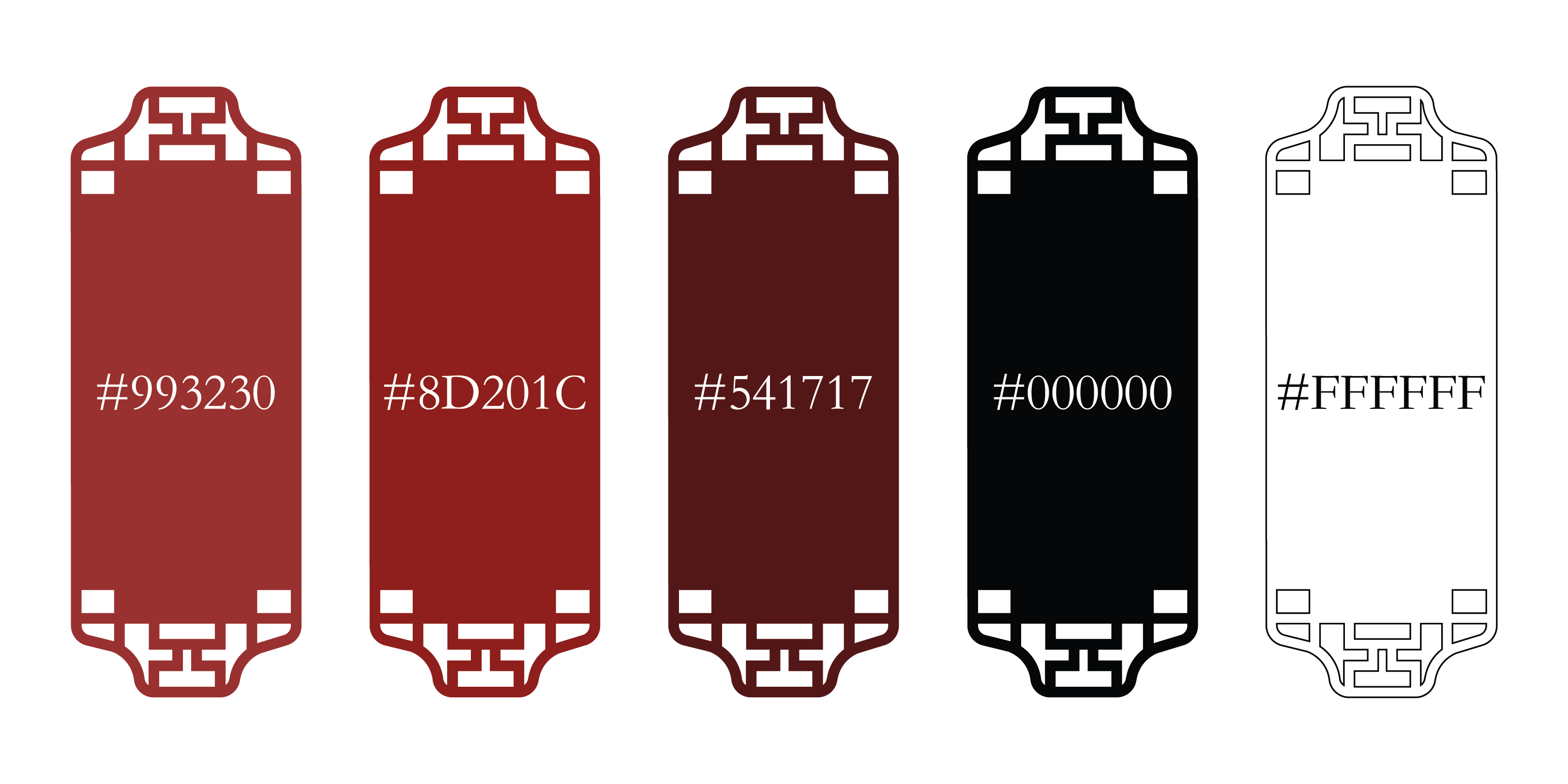
Color Palette
Title Wall
The exhibition’s title wall features a background inspired by ancient Chinese mountain paintings. As visitors enter the corridor, the painted mountains slowly blend into silk formed with shape of mountains that people can walk through and interact with. While moving through the space, visitors can also view the Hanfu displayed on the opposite wall to learn about how the clothing was made and to experience its texture and feeling.
Timeline
Long ink brush marks flow across the wall, creating a carved and immersive feeling. The brushstroke patterns are inspired by ancient ink paintings that depict people wearing traditional Hanfu clothing. Interactive clothing pieces connect with the historical artworks, bringing the figures and their garments to life while blending the past with the present.
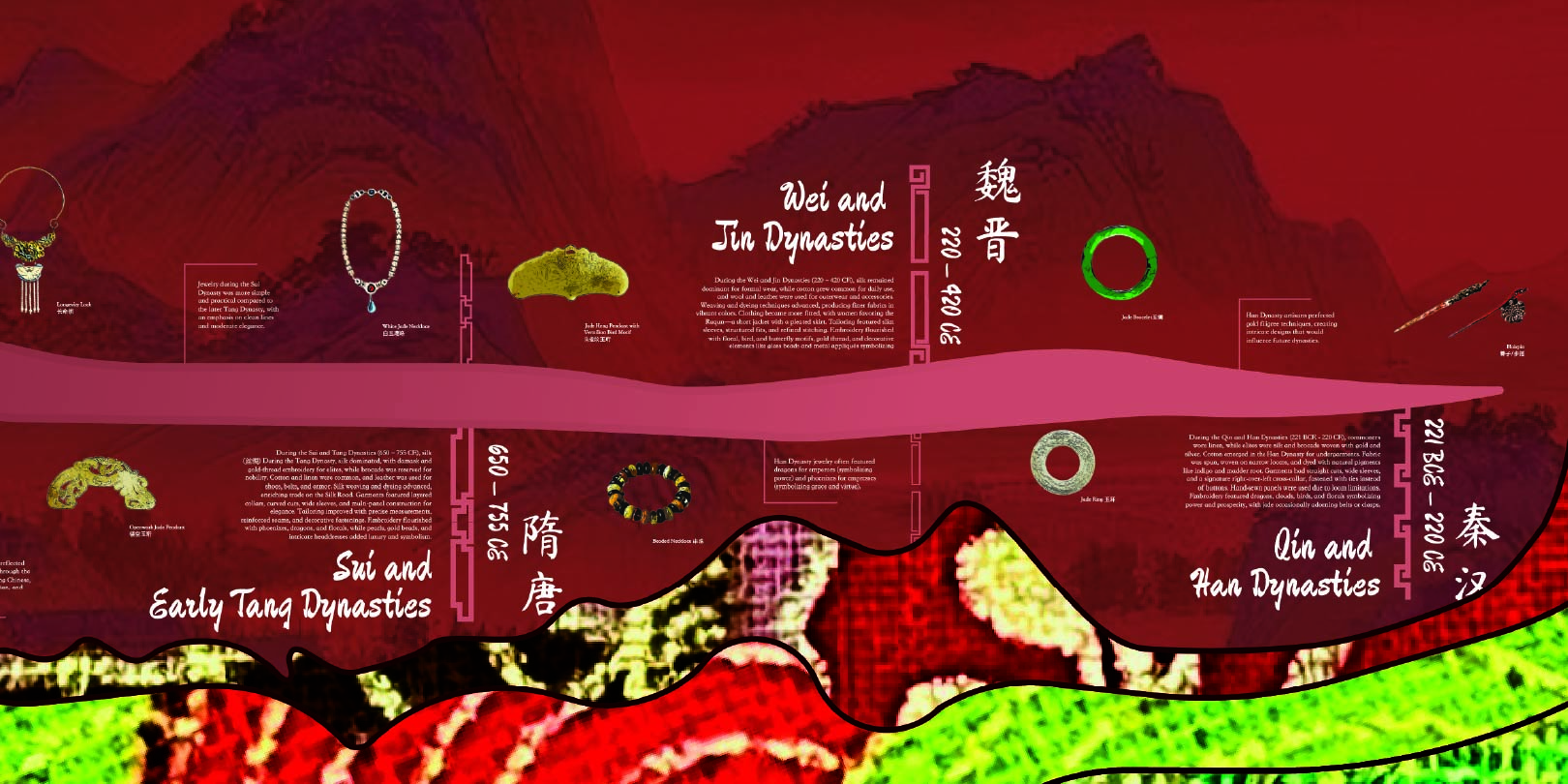
Data Info
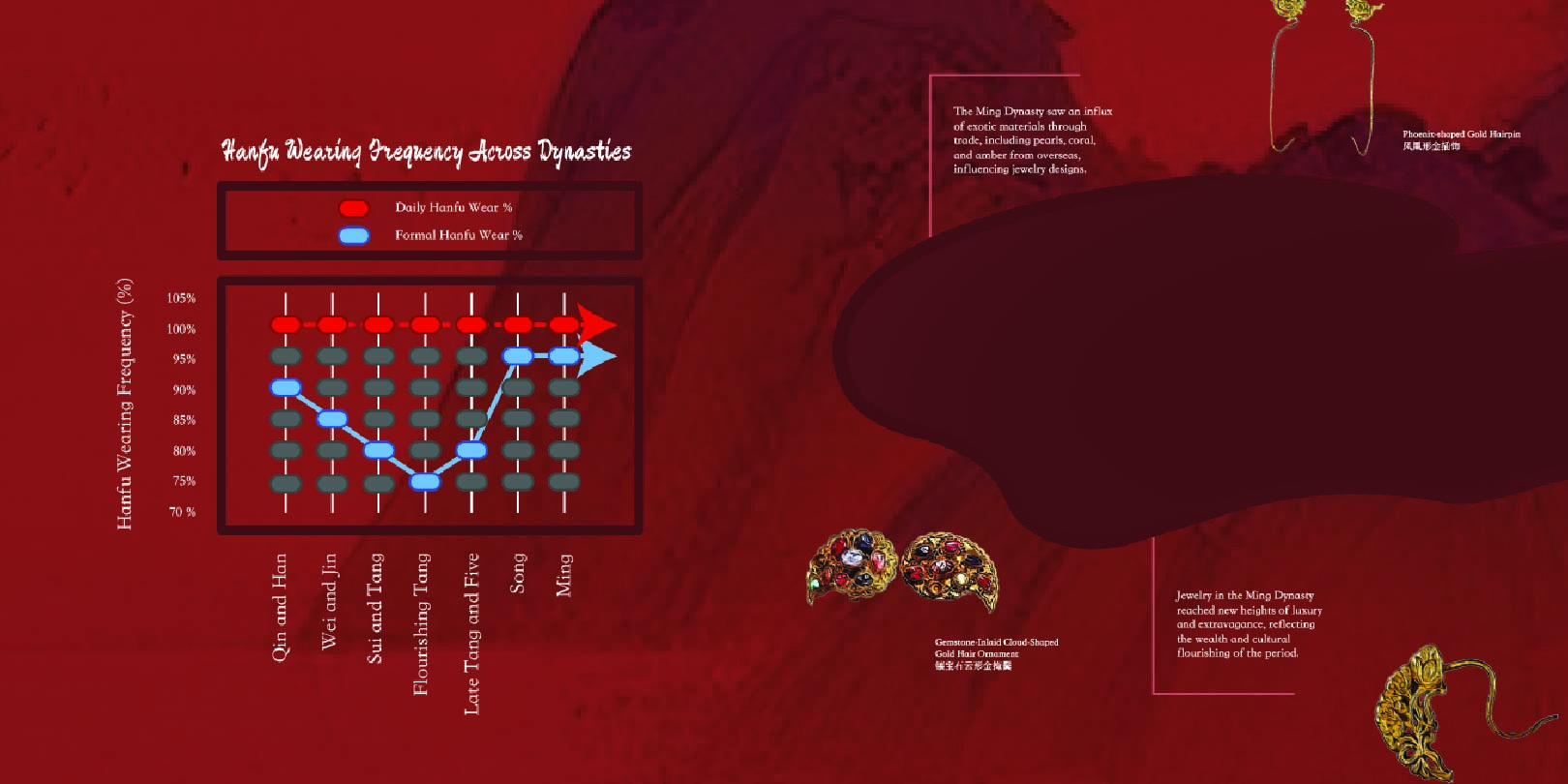
The data shows the popularity of Hanfu clothing across different dynasties. The height of the ground planes and mountain forms beneath each Hanfu represents its popularity, with taller forms showing the most popular styles. The information includes women’s daily wear and formal wear from each dynasty. At the end of the timeline wall, a graph displays how the popularity of Hanfu changed throughout the dynasties in a shape of a Chinese calculator primarily refers to the suanpan (算盘).
Hanfu Wall
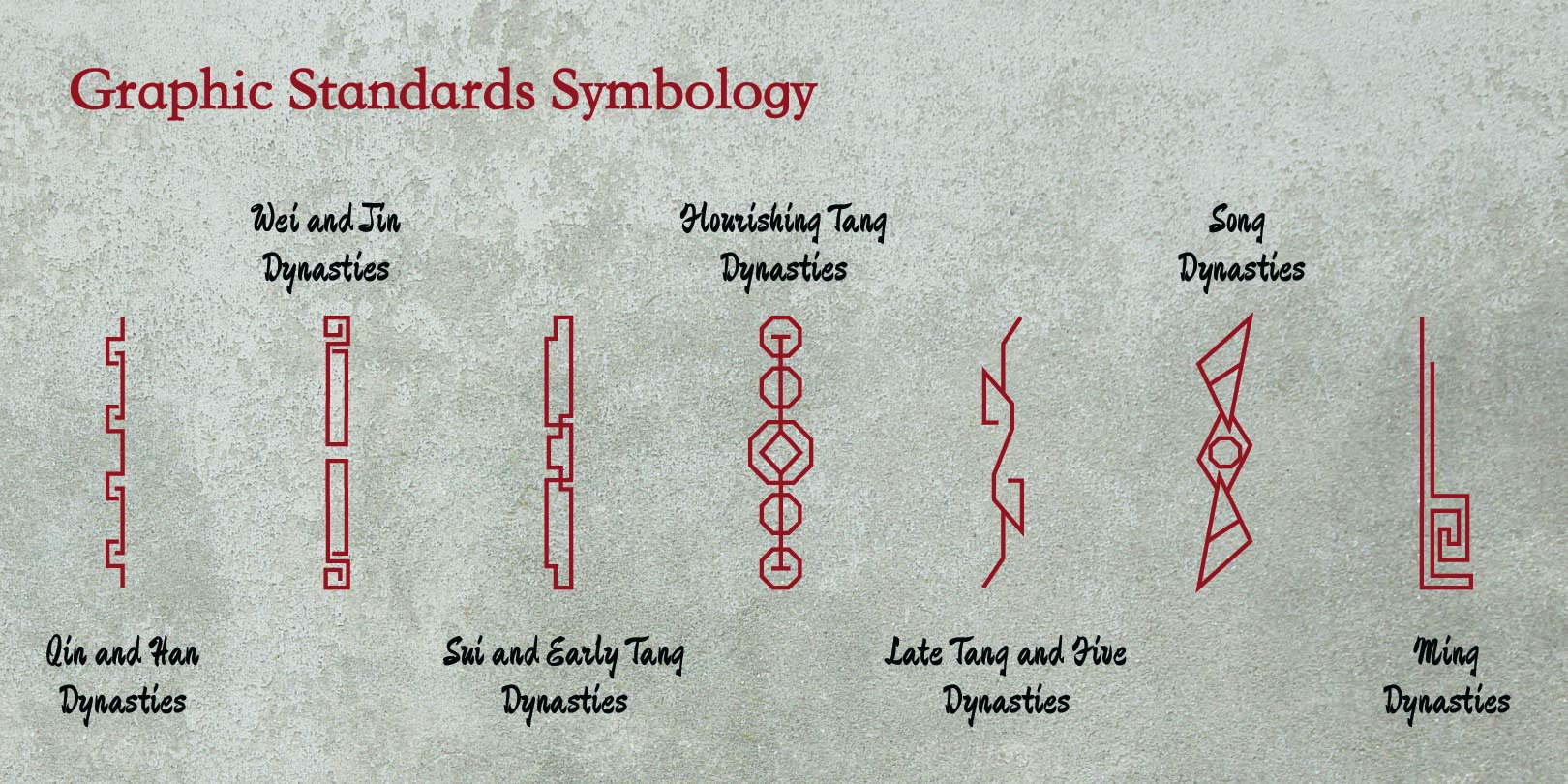
Seven red columns divide the space into sections that each represent a different stage of Hanfu evolution, with the pillars designed using traditional Chinese window and corridor ceiling patterns. Behind each clothing display is an ancient painting showing people wearing the Hanfu as historical evidence of its existence, while signs attached to the pillars on the right side provide information about each garment.